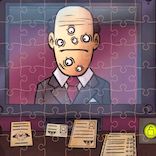
Hi, What’s Your Emergency immerses you in the high-stakes environment of emergency dispatching, where every phone call presents a unique challenge and every decision shapes the outcome of unfolding crises. As the dispatcher, you serve as the essential link between callers in distress and the responders who can help them. The game captures the tension, unpredictability, and responsibility of crisis communication, pushing you to remain composed while juggling multiple emergencies across the city. With its blend of strategic coordination and emotionally intense interactions, the experience offers a vivid look into the heartbeat of urban safety management.
Reading Between the Lines of Each Call
No two callers behave the same, and your ability to interpret their communication determines how effectively you can respond. Hi, What’s Your Emergency challenges players to make sense of incomplete or emotionally clouded information. Some callers may provide vague descriptions, while others focus on irrelevant details. By steering conversations with deliberate questions and attentive listening, you extract the facts that matter. Even quiet pauses, background noises, or sudden changes in speech can offer clues that reshape your understanding of the emergency.
- Guide callers through step-by-step questioning to uncover essential facts.
- Identify urgency by monitoring hesitations, anxiety, and vocal stress.
- Separate useful details from emotional noise and panic-driven statements.
- Pay attention to indirect cues that may signal unseen dangers.
- Reconstruct accurate scenarios from fragmented or rushed information.
Maintaining Control Over Citywide Response Operations
Once you understand the caller’s situation, the next challenge is sending the right responders. With only a limited number of units available, every decision must account for timing, geography, and potential escalation. Hi, What’s Your Emergency encourages players to think several moves ahead. You must constantly update your mental map of where units are located, what tasks they’re handling, and which areas remain vulnerable. The tension between urgent demands and finite resources creates a compelling strategic layer throughout the game.
- Evaluate each incident’s severity before committing specialized forces.
- Monitor dispatch patterns to avoid leaving critical regions uncovered.
- Rotate teams efficiently to minimize downtime and maximize readiness.
- Plan routes carefully to shorten response times and prevent delays.
- Make contingency decisions when multiple emergencies occur simultaneously.
Responding to Emergencies That Transform Without Warning
Emergencies evolve unpredictably, and the game reflects this through multi-stage scenarios. A routine call may suddenly reveal new dangers, requiring immediate strategic adjustments. You must remain vigilant, checking for fresh updates or shifts in caller behavior. When several incidents escalate at the same time, your ability to stay organized becomes crucial. Hi, What’s Your Emergency emphasizes adaptability, encouraging players to reassess priorities regularly and update their plans as new information surfaces.
- Escalate responses quickly when new threats appear mid-call.
- Reassign units from stable situations to handle urgent developments.
- Track multiple changing emergencies without losing clarity.
- Predict potential chain reactions across related incidents.
- Maintain flexible strategies for situations that unfold in stages.
A Realistic and Intense Crisis Coordination Simulation
Hi, What’s Your Emergency blends emotional storytelling with strategic decision-making to create a rich simulation of emergency dispatch work. Each call becomes a distinct puzzle, requiring focus, empathy, and quick analysis. The constant unpredictability keeps you alert, while the layered mechanics reward thoughtful planning. Whether comforting a distressed caller or orchestrating a multi-unit response, you play a vital role in protecting the city. The result is an immersive experience that highlights both the challenges and the significance of real-time crisis management.









 Fullscreen